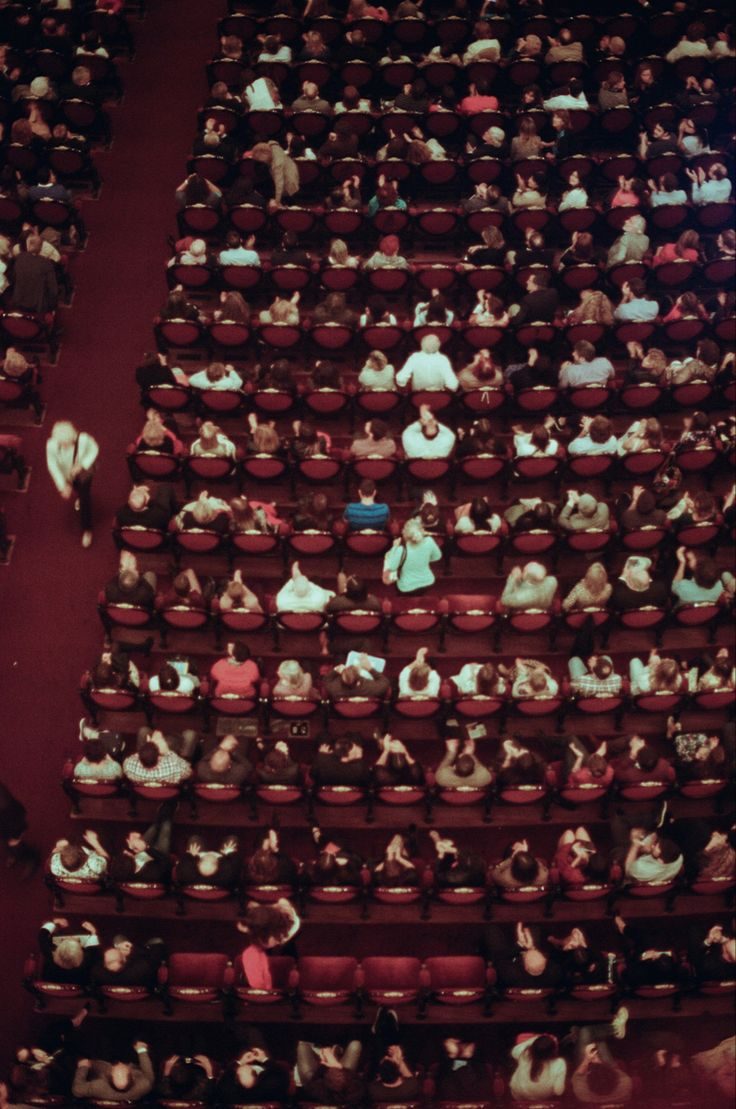
Thanks to the Lumière brothers, today I get to experience what is probably the most beautiful form of escapism: the cinema. Because here, any day, however bad, rainy or maybe even hopeless, turns into a unique experience. Whether through huge screen-busters like Dune, moving dramas like Sing Sing, or hype phenomena like every Avengers film ever. All the sadder that this form of escapism seems to be slowly dying out.
The Covid pandemic, the phone or Netflix - who is to blame for this creeping death? Probably a combination of all these negative influences on the undisturbed viewing and listening experience. It’s obvious that closing cinemas during the lockdowns didn’t do them any favours financially; but movie theatres still haven’t really recovered from it to this day. Attendance is nowhere near where it was in the very strong pre-Covid years. It was exactly during that time that the big streaming services profited most. If you can only sit at home anyway, why not binge-watch three seasons of Stranger Things right away? This enormous financial success also meant that more and more film material was stretched to series or at least miniseries length and then released on the respective platforms. On top of that, a cinema ticket often costs as much as one month of Amazon Prime. Might as well stay at home then. 0:2 from the cinemas’ point of view.
Now to perhaps the biggest culprit. The six-inch weapon. The ultimate interference signal. In front of the TV at home, everyone has surely caught themselves constantly checking their phone during a film, opening Instagram, scrolling a bit, putting it away again and trying to follow the film. Rewind? Nah, I’ll get back into it. And there’s already the next message. Back to the phone. I probably don’t need to tell anyone that the experience a film can actually deliver suffers from this. Or that a trip to the cinema, where the phone should stay in your pocket, seems rather unattractive by comparison. The saddest part, though, is that streaming giants now design their own productions so that the characters explain the plot to you on top, because they assume we’re all on our phones anyway and miss half of it. For many, that may be enough. As an enthusiastic cinemagoer, though, I’m very unhappy about it. 0:3.
What evens out this score - and even clearly beats it - is the impact a single cinema ticket carries. Comparing the price of a cinema ticket with that of a streaming subscription makes little sense and isn’t fair. Anyone who treated themselves to Barbenheimer or similar phenomena in the cinema can confirm that something like that has no effect at all at home. And you don’t even need these big cultural events to show how superior a trip to the cinema is. The dark auditorium, the big screen and above all the impressive sound create an atmosphere that makes every cent worth it. Experiencing the whole thing as a group puts the crown on it. But going to the cinema alone works wonderfully too. Into the dark, switch off your head, lean back for at least 90 minutes and enjoy it to the fullest. New cinema subscription models even let you go to selected cinemas as often as you like for a monthly fee, which finally takes the wind out of the cost argument’s sails. And especially the rescue efforts of many cinemas, showing old classics on the big screen again, bring a lot of nostalgia and a strong sense of well-being with them. Who wouldn’t want to experience one of the greatest moments in cinema history in The Empire Strikes Back in a packed auditorium? Or watch the great white shark bite down in all its glory? Or maybe watch the whole The Lord of the Rings trilogy on the big screen? Only one place can do all that. 100:3.