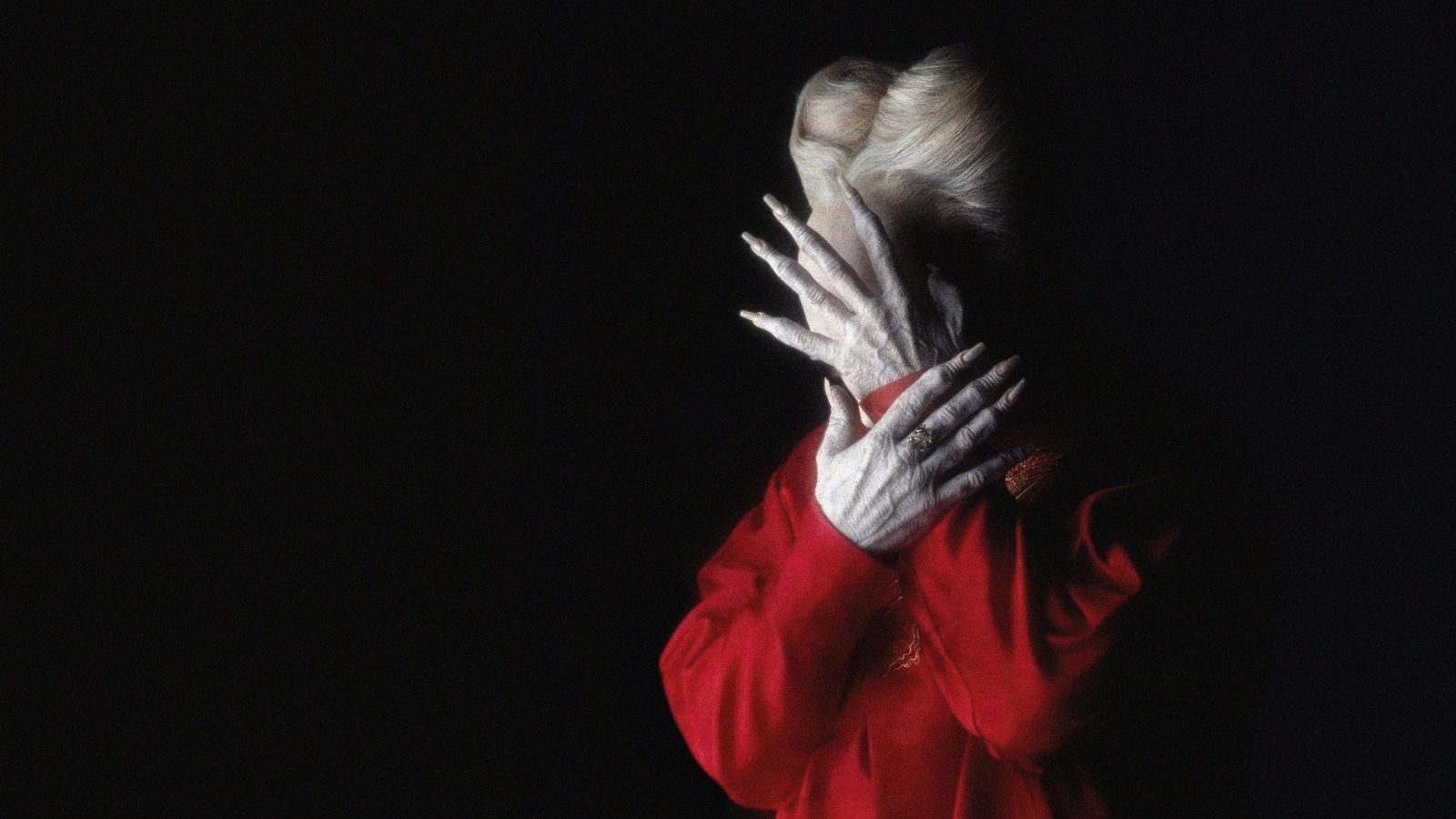
“I’ve crossed oceans of time to find you.”
— D.
Dark, blood-red scenery, costumes from another world and a romance that outlasts centuries.
This Halloween I want to give my time and attention to one of the most fascinating and, in a way, most influential films of its genre: the 1992 adaptation of Bram Stoker’s Dracula, directed by grandmaster Francis Ford Coppola.
The book, and above all its title character, is probably among the best-known things the horror genre has ever produced. Published in 1897, it only really brought its author fame after his death, as is so often the case. The story first caused a real stir in 1922, when an unauthorised adaptation by F.W. Murnau called Nosferatu hit the big screen, which later led to a lawsuit with Stoker’s widow. Over time, Nosferatu built its own cult following, but that’s not what today is about. Today is about Coppola’s romanticised, eroticised version.
Because of earlier budget disasters, he passed on shooting in Romania and staged the film almost entirely in the studio. That’s one of the reasons why large parts of the film look like theatre, which the almost over-the-top acting only underlines. The biggest eye-catcher, and in the end an Oscar winner, is clearly the costumes. Coppola put his trust in the Japanese graphic designer Eiko Ishioka, who conjured up looks inspired by samurai, Klimt paintings and human anatomy. The iconic look of the old count, with his double bun and that gorgeous red robe, is probably the most impressive. Singling out one look, though, would almost be blasphemy, because every single one deserves full attention. Every character shines through breathtaking costumes and wonderful make-up, which also picked up an Oscar. They stuck completely to Coppola’s words: “The costumes will be the set.” Anyone who has seen the film will know what I mean — visually, this film runs on a track of its own.
The plot: Jonathan Harker travels to Transylvania to help a certain Count Dracula acquire property in London. But once the count sees in Harker’s fiancée Mina a reincarnation of his late Elisabeta, the film takes its course and takes the audience on a journey they’ll probably never forget.
The story itself mostly follows the book, but Coppola came up with enough to give the whole thing his own spin. Both the great love story between Dracula and Mina and the count’s tragic backstory are inventions of the film. The character, who in the original embodies pure evil, takes on a completely different meaning. The ending was also adjusted a little to fit the tone of the film. With that, the director deliberately takes a very different line from earlier world-famous adaptations such as Dracula from 1931.
The big scene-stealer is without question Gary Oldman as Count Dracula. He doesn’t play just one character here but several, all transformations of the evil count. The old, mysterious man who locks Harker in his castle and glides around in the most magnificent robes as if there were neither space nor time. The young prince who slowly seduces the beautiful Mina with his charisma. Or the devastated Vlad, who lost his beloved and with her his faith in the Church, which is what turned him into the monster he ultimately is. Oldman delivers performances here that are second to none. You can tell how much he thrives in this extremely stage-like setting. The one who comes closest to matching him is none other than philosopher and doctor Abraham Van Helsing, played by Anthony Hopkins. When it comes to theatrics, he goes one step further and really embraces the stage acting. As soon as one of these two is on screen, you forget everything else. That isn’t meant to take anything away from the rest of the cast (except maybe Keanu Reeves’ abysmal British accent), just to show how good these two are in this piece. Winona Ryder plays a sad and lost Mina, while Sadie Frost gives us an exciting, and in the end dangerous, Lucy.
Another thing that defines the film is its decidedly erotic touch. With the love story already added in, Coppola probably wondered how he could take it even further. Et voilà: minutes-long shots of loving, moaning and seducing. But none of that makes the film feel cheap; if anything, it gives the whole thing even more character, I think. More than that: the longing for an evil, superhuman and somehow unattainable power is captured perfectly. The diary structure, just like in the book, also lets us dive into the heads of the individual characters, where one secret or another is hidden. All of this makes the character development feel more believable, which is a thrilling ride, especially with Mina.
At 128 minutes, the running time is just right. The film never feels too long. With all these beautiful sets and costumes, you’d rather spend an extra hour or two in this world. The journey to Transylvania feels exhausting and gloomy, you can almost smell the streets of late-19th-century London, and in the count’s castle you feel the evil, ancient forces through the screen.
It’s worth crossing the oceans of time for.